|
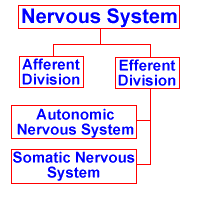
The efferent (or motor) division of the nervous system is involved in the control of the various muscles and glands that are responsible for coordinating the wide range of behavioural activities that humans are capable of. Consequently the efferent division of the nervous system is responsible for activities as diverse as sweating, holding a pencil and defecation. The efferent division is subdivided into two major systems on the basis of the end-organs which they innervate and to the extent to which they are under voluntary (conscious) control.
The relationship between these elements of the nervous system elements is summarised in the diagram opposite. The somatic nervous system will be considered after we have studied skeletal muscle itself. The autonomic nervous system is the topic of this lesson. |
|
One of the major functions of the autonomic nervous system is the maintenance of a variety of physiological variables within suitable ranges for a healthy existence. Consequently the autonomic nervous system is involved in things like the regulation of blood pressure, the control of blood gases and electrolyte balance.
But the autonomic nervous system is also involved in a variety of reproductive functions from the generation of an erection to the control of uterine contractions during labor. In many of these functions the autonomic nervous system works in concert with the endocrine system to maintain homeostasis and indeed in some instances actually controls the secretions of endocrine glands.
Remarkably, most of the functions of the autonomic nervous system occur involuntarily and without any conscious control. The fact that so many fundamentally important processes are maintained without any conscious input is good. It means we can use our cerebral cortex for more rewarding cognitive activities such as watching rugby league or My Kitchen Rules.
Like most parts of the nervous system, the autonomic nervous system consists of elements located within both the peripheral nervous system (PNS) and the central nervous system (CNS). In this lesson we will concentrate on the peripheral elements and touch on the CNS components towards the end.
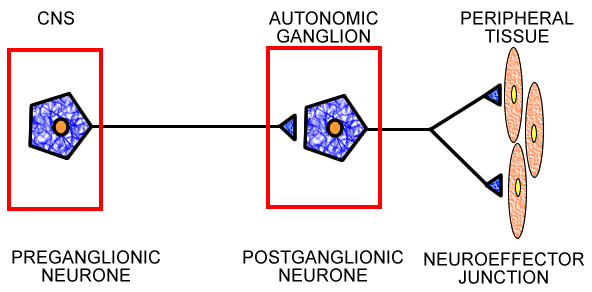
As shown in the image on the right, in the autonomic nervous system the central nervous system is linked to its target tissue by a two neurone pathway.
The first neurone has its cell body in the CNS, an axon which projects into the PNS and synapses with the second neurone in a collection of neurones known as an autonomic ganglion. For this reason the first neurone is referred to as the preganglionic neurone and the second as the postganglionic neurone.
The postganglionic neurone has its cell body in the autonomic ganglion and axon terminals in close apposition to the peripheral tissue that it regulates. The site of functional interaction between the axon terminals of the postganglionic neurones and the peripheral tissue is known as the neuroeffector junction.
The autonomic nervous system is subdivided into two major divisions known as the sympathetic division and the parasympathetic division. These two divisions differ in terms of their specific functions, structure and neurochemistry. In the following sections we will review these three aspects for both the sympathetic and parasympathetic divisions.
A. Sympathetic Division
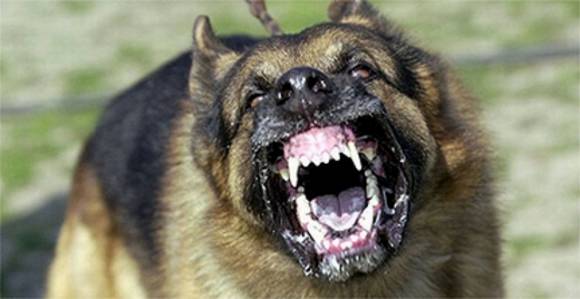
The general function of the sympathetic division is to prepare the other systems of the body for activity. These functions are encapsulated by the phrase 'fight or flight' in that they either prepare the body to fight off a predator or take the more sensible option and run away.
This division of the autonomic nervous system is also responsible for preparing the body for activities such as exercise and is also involved in behavioural responses to things like stress and fear (see right).
The general characteristics of increased activity in the sympathetic division include increased heart rate, elevated blood pressure, release of metabolic fuels such as glucose, dilation of airways, pupils and blood vessels to muscles.
Collectively these responses elevate blood sugar levels, enhance the delivery of well oxygenated blood to skeletal muscles and potentiate visual awareness of the environment.
At the same time reproductive, digestive and urinary functions are attenuated because the last thing you want when you are being chased through the woods by a hungry bear is feeling like you need to stop to go to the toilet.
B. Parasympathetic Division
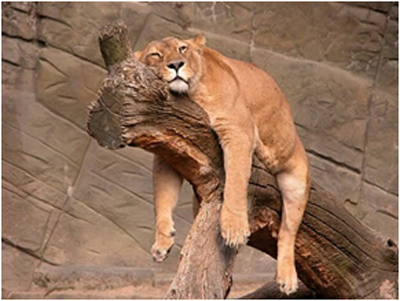
The overall functions of the parasympathetic division of the autonomic nervous system are to enable relaxation and recuperation. These functions are sometimes referred to as 'rest and digest'.
Activity in the parasympathetic division results in decreased heart rate, increased motility and secretion of digestive enzymes in the digestive tract, a decrease in metabolic rate and stimulation of defecation and urination.
These responses are clearly appropriate for restoring metabolic energy stores and enabling rest and recovery.