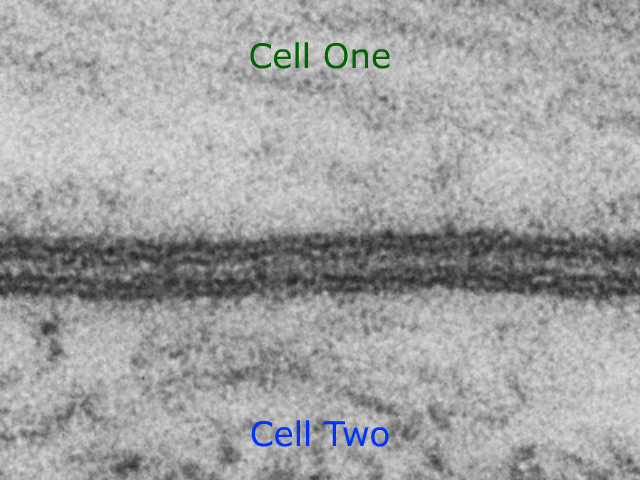
 The transport of materials across the plasma membrane of cells is a fundamental requirement for the normal function of virtually every physiological system. For example, the ability of the digestive tract to absorb nutrients, the capacity of the kidneys to maintain water balance and the electrical events that enable the nervous system to function, all require very precise regulation of the movement of materials across the plasma membrane of cells.
The plasma membrane acts as an effective barrier between the  .
.
The plasma membrane of each cell consists of a made up a double layer of phospholipid molecules arranged parallel. Each phospholipid molecule is made up of a phosphate-containing (
However the movement of substances across the plasma membrane is enabled by the presence of , receptors or pumps and thus provide a means of moving materials across the lipid bilayer in a highly regulated fashion.
Bearing in mind that both the ICF and ECF are essentially aqueous solutions (i.e. a complex mixture of solutes dissolved in water) we will restrict ourselves to considering membrane transport of the solutes at this point in time and return to the movement of water (
Although there are a variety of ways that substances can move across the plasma membrane these can be conveniently divided into two major types: